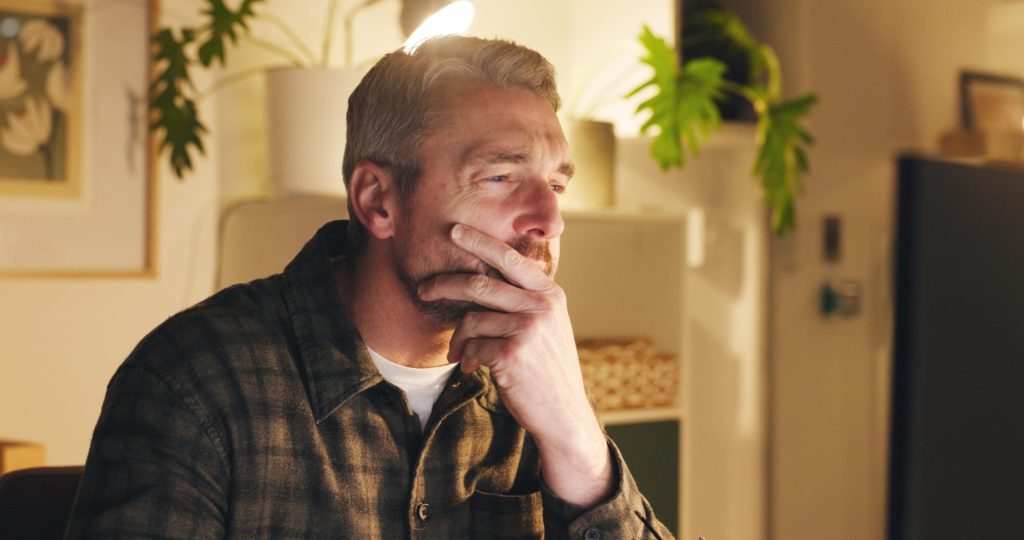
You’ve probably noticed it yourself: a bad night’s sleep makes everything harder. Your mood drops, your patience thins, your anxiety spikes, and the problems in your life feel heavier than they did the day before. Now imagine that not just for one night, but for weeks, months, or years. For millions of adults, chronic poor sleep isn’t just exhausting — it’s silently fueling and worsening their mental health. At Therapy In Motion in Cornwall, NY, we treat sleep as the mental health issue it truly is.
The Two-Way Street Between Sleep and Mental Health
Sleep and mental health have one of the most tightly interwoven relationships in all of human biology. What makes it so challenging is that the relationship runs in both directions — creating a cycle that can be genuinely difficult to interrupt without support.
Mental health problems disrupt sleep. Anxiety activates the nervous system, flooding the body with stress hormones that make falling asleep feel impossible and staying asleep even harder. Depression dysregulates the body’s natural sleep-wake rhythm, leading to either chronic insomnia or the opposite — oversleeping and difficulty getting out of bed. Trauma can make the night genuinely frightening, as the lowered defenses of sleep make people feel unsafe. Grief, stress, and unprocessed emotion all find the bedroom at night, whether we invite them or not.
Poor sleep makes mental health worse. Sleep is when the brain consolidates memory, processes emotion, clears metabolic waste, and restores the neurochemical balance that mood depends on. When we consistently shortchange sleep, we are effectively denying our mental health the maintenance it requires. The result is a brain that is more reactive, more pessimistic, less able to regulate emotion, and more vulnerable to anxiety and depression.
This is the cycle: mental health struggles cause poor sleep; poor sleep worsens mental health struggles. Breaking it requires addressing both sides — and that’s exactly where therapy comes in.
Common Sleep Problems Adults Experience
Sleep difficulties take many forms. The most common we see at Therapy In Motion include:
Insomnia
Insomnia — difficulty falling asleep, staying asleep, or waking too early — is the most widespread sleep disorder in adults. Chronic insomnia (lasting more than three months) affects an estimated 10–15% of adults and has significant consequences for mood, cognitive function, immune health, and quality of life. It is also one of the strongest predictors of depression and anxiety.
Hyperarousal and Nighttime Anxiety
Many adults describe lying in bed with a racing mind — replaying the day, rehearsing tomorrow, worrying about things they have no control over at 2 a.m. This “hyperarousal” is a hallmark feature of anxiety and keeps the nervous system in a state that is fundamentally incompatible with sleep. The more you try to force sleep, the more elusive it becomes — a frustrating loop that many anxious adults know intimately.
Nightmares and Sleep Disturbances from Trauma
For adults who have experienced trauma, sleep is often when the nervous system’s unfinished business surfaces. Nightmares, night terrors, hypervigilance at bedtime, and difficulty feeling safe enough to fully relax are all common trauma responses that profoundly disrupt rest.
Depression-Related Sleep Disruption
Depression frequently manifests in sleep — though not always in the ways people expect. While some people with depression experience insomnia and early morning waking, others experience hypersomnia: sleeping excessively and still waking feeling unrefreshed and unmotivated. Both patterns reflect the same underlying disruption of sleep architecture and the brain’s reward and energy systems.
Stress-Driven Poor Sleep
Even for adults without a diagnosable mental health condition, chronic stress is a powerful sleep disruptor. Work pressure, financial worry, relationship strain, parenting demands — when the stress bucket is consistently full, the body stays in a state of low-level activation that makes genuinely restorative sleep hard to achieve.
What Poor Sleep Is Actually Doing to Your Brain and Body
Sleep deprivation isn’t just uncomfortable — it has measurable, serious effects on mental and physical health:
- Emotional dysregulation: Sleep-deprived people show up to 60% greater emotional reactivity in brain imaging studies. Small frustrations become big reactions. Sadness feels heavier. Joy feels further away.
- Increased anxiety: Even a single night of disrupted sleep meaningfully raises anxiety levels the following day. Chronic sleep loss keeps the threat-detection system (the amygdala) on high alert.
- Cognitive impairment: Concentration, memory, decision-making, and creative thinking all deteriorate with poor sleep — making every challenge at work and at home harder to navigate.
- Weakened immunity: Chronic sleep deprivation suppresses immune function, increasing vulnerability to illness and slowing recovery.
- Increased depression risk: Adults with insomnia are approximately ten times more likely to develop depression than those who sleep well. This is one of the most striking statistics in mental health research.
- Physical health consequences: Long-term sleep disruption is associated with increased risk of cardiovascular disease, metabolic disorders, and chronic pain — all of which, in turn, further affect mental health.
How Therapy Helps — Including CBT-I, the Gold Standard Treatment for Insomnia
Many people reach for sleep medication as a first response to sleep difficulties. While medication can provide short-term relief, it doesn’t address the underlying causes — and for many adults, it becomes a dependency that further complicates sleep over time.
Therapy offers something far more lasting. The most evidence-based approach to insomnia is Cognitive Behavioral Therapy for Insomnia (CBT-I) — a structured, short-term therapeutic approach that the American College of Physicians now recommends as the first-line treatment for chronic insomnia, ahead of sleep medication.
CBT-I works by addressing the thoughts, behaviors, and habits that perpetuate poor sleep — not just the symptoms. It typically involves:
- Sleep restriction therapy. Counterintuitively, temporarily reducing time in bed consolidates sleep and rebuilds the connection between the bed and actual sleepiness.
- Stimulus control. Reestablishing the bed as a cue for sleep — not for scrolling, worrying, or watching — so that lying down begins to automatically trigger sleepiness rather than wakefulness.
- Cognitive restructuring. Identifying and challenging the anxious, catastrophizing thoughts about sleep that keep the mind activated at bedtime (“I’ll never fall asleep,” “I won’t be able to function tomorrow”).
- Relaxation techniques. Building a repertoire of tools — breathwork, body scan, progressive muscle relaxation — that actively downregulate the nervous system before and during the night.
- Sleep hygiene optimization. Reviewing and adjusting the environmental and behavioral factors — light, temperature, caffeine, alcohol, exercise timing — that affect sleep quality.
Beyond CBT-I, therapy also addresses the anxiety, depression, trauma, or stress that may be driving the sleep difficulty in the first place — because lasting sleep improvement often requires healing what’s underneath.
Sleep Hygiene: What Actually Works
You’ve probably heard the term “sleep hygiene” — the habits and practices that support consistent, restorative sleep. Here are the ones with the strongest evidence behind them:
- Keep a consistent sleep and wake time — including weekends. Your circadian rhythm is a biological clock. Inconsistency confuses it. Waking at the same time every day (even after a bad night) is one of the most powerful sleep regulators available.
- Reserve the bed for sleep and intimacy only. If you work in bed, watch TV in bed, or lie there worrying for long stretches, your brain begins to associate the bed with wakefulness. Move other activities elsewhere.
- Dim the lights and limit screens 60–90 minutes before bed. Blue light from phones and screens suppresses melatonin production. Shift your environment toward warmth and quiet as bedtime approaches.
- Avoid alcohol as a sleep aid. Alcohol may help you fall asleep faster but it significantly disrupts sleep architecture in the second half of the night — leading to the lighter, more fragmented sleep many people notice after drinking.
- Get morning light exposure. Bright natural light in the morning helps anchor your circadian rhythm and improves sleep that night. Even 10–15 minutes outside in the morning makes a measurable difference.
- Move your body — but not too close to bedtime. Regular physical activity is one of the best sleep-promoters available. Aim to finish vigorous exercise at least 3–4 hours before bed.
- If you can’t sleep, get up. Lying in bed awake for more than 20 minutes reinforces the association between bed and wakefulness. Get up, do something quiet and non-stimulating, and return when you feel genuinely sleepy.
When to Seek Professional Support for Sleep
It’s worth reaching out to a therapist for sleep-related concerns when:
- Sleep difficulties have persisted for more than a few weeks
- Poor sleep is affecting your mood, relationships, or ability to function at work
- You’ve tried basic sleep hygiene changes without success
- You rely on alcohol, cannabis, or over-the-counter sleep aids regularly
- Nightmares, hypervigilance, or fear of sleep are part of the picture
- You’re also experiencing anxiety, depression, or high stress alongside the sleep problems
You don’t have to wait until you’re in crisis. If sleep is consistently a struggle, that’s enough reason to seek support. Our clinicians at Therapy In Motion take sleep seriously — because we know what it means for everything else in your life.
Ready to Finally Sleep — and Feel — Better?
The team at Therapy In Motion can help you break the cycle of poor sleep and mental health struggles — with flexible in-office, telehealth, and outdoor options throughout Cornwall and the Hudson Valley.
📍 16 Quaker Avenue, Cornwall, NY 12518
📞 845-288-2672
🌐 Request an Appointment →
Therapy In Motion LLC is a psychotherapy practice in Cornwall, NY offering individual and family therapy for adolescents and adults. Services include sleep disorder treatment, anxiety and depression therapy, CBT-I, grief counseling, women’s issues, men’s issues, ecotherapy, telehealth, and DWI/DWAI evaluations. Contact us to schedule a consultation.